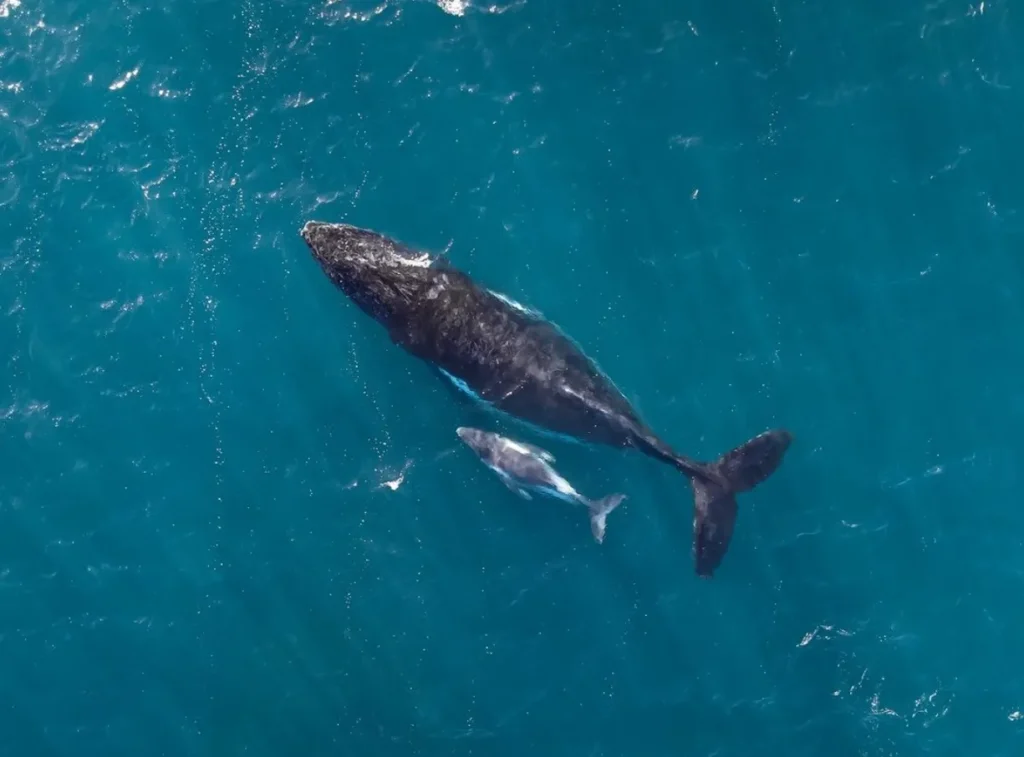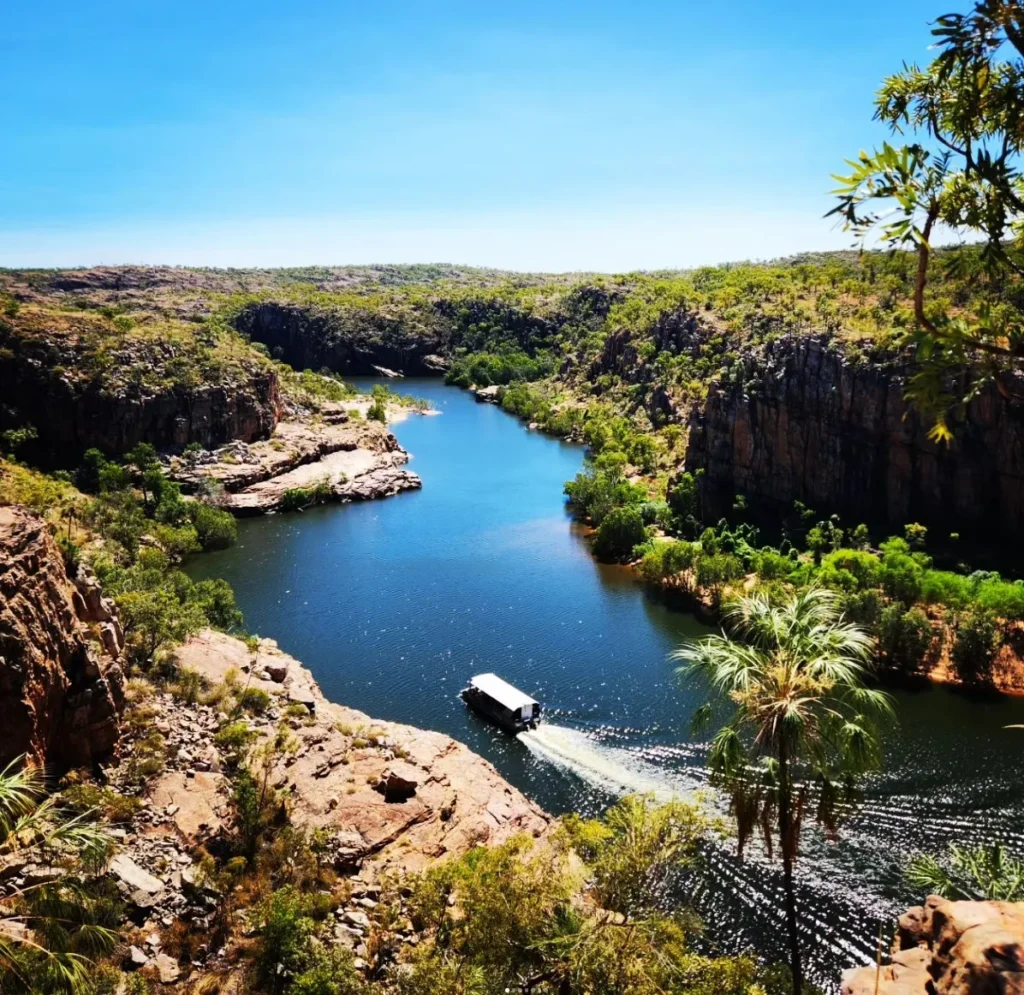
Exmouth, a beautiful town on Western Australia’s Coral Coast, is the ultimate whale-watching destination. Situated close to the Ningaloo Reef and the Exmouth Gulf, Exmouth has opportunities that are not available anywhere else to see some of the most incredible ocean creatures. From the humpback whale migration spectacle to rare blue whale sightings, Exmouth’s clear waters and marine life make it the perfect place for an unforgettable whale-watching experience.
Exmouth as a Whale-Watching Destination
Exmouth’s position on the Coral Coast is the perfect spot to see a wide range of marine wildlife. The town is near the Ningaloo Reef and the Exmouth Gulf, so it has access to some of the most pristine waters in Australia. The area around Exmouth is teeming with marine life, and the clear waters offer great opportunities to see whales, so it’s a must-see for nature lovers.
With its beautiful beaches and coral reefs, Exmouth has whale-watching experiences for everyone. Boat tours operate from dawn to dusk with options to suit all tastes and skill levels. These Exmouth whale shark tours are guided by people who are passionate about what they do; they will give you an experience you will never forget and get you up close and personal with these incredible animals. Whether you want a relaxing day at sea or an adventure swim with whale sharks during your whale-watching season in Exmouth, there’s something for you.
Types of Whales
Exmouth is home to several whale species throughout the year, each one a different spectacle and adding to the region’s marine diversity. The types of whales you can see are:
Humpback Whales: The Big Ones
Humpback whales are the most common species seen in Exmouth. They are magnificent in size and dramatic in their acrobatics. As they migrate from their winter feeding grounds in the Southern Ocean to their breeding grounds off the Australian coast they breach, fluke and tail slap in incredible ways. Humpbacks are abundant in the waters around Exmouth during the season so nature’s grandeur is on display for whale watchers. To see them leap out of the water like this is a once in a lifetime experience.
Blue Whales: The Biggest Animals on Earth

Occasionally, blue whales – the largest animals to have ever lived – are seen near Exmouth. Any encounter with these gentle giants, which can weigh up to 180 metric tons and reach 30 meters in length, is exciting because of their sheer size. Although rare, seeing a blue whale glide through the tropical waters is a highlight for any whale watcher. These magnificent creatures move slowly across the ocean and display their enormity as they cut through the warm blue sea.
Minke Whales: Smaller But Mighty
Smaller than humpbacks or blues, minke whales are no less impressive. Sometimes seen playing along ice edges or zooming through the water at high speed, minke whales are known for their agility and speed and are often described as playful when at sea. This makes them even more fascinating for those looking to see whales off Exmouth and get up close and personal with these curious but shy animals that will come right up to the boat and then disappear into the depths again. Minkes have playful spirits, so being interactive with them makes them a favourite of many who want to experience whale watching like never before.
Exmouth: Best Time for Whale Watching
Timing is everything when it comes to whale watching in Exmouth. The best time to go depends on what you want to see and what type of whales you want to see.
Humpback Whales Migration Patterns
One of the highlights of the whale watching season in Exmouth is the annual migration of humpback whales. These whales start their journey from their feeding grounds in the Southern Ocean around June, and by August, they will have arrived at their breeding grounds off the Western Australian coast. July to September is when the sightings peak, as they are most active and visible. During this time, you can see breaching and tail slapping, among others, as they travel along the Coral Coast.
Best Months for Sightings
The best months for sightings are July to September, which is the peak whale-watching season in Exmouth. This time, there are thousands of humpback whales, blue whales and minke whales, among others. It’s the perfect time to swim with humpback whales or take a boat tour, as the tropical climate means warmer waters, and you can get up close and personal with these amazing animals. In fact, many tourists prefer whale watching, where you get to see them in their natural habitat up close.
Whale Watching Locations
There are several locations where you can do whale watching.
Exmouth
In the heart of Exmouth, this town has easy access to all whale-watching activities and tours. You can visit parts of Ningaloo Reef or Exmouth Gulf (including surrounding waters) or take a boat Exmouth tours here or elsewhere. With minke whales, blue whales or hunchbacks, among many others to see, you can do whale watching on land or sea.
Lighthouse Bay
Calm waters and stunning views of Lighthouse Bay are ideal for whale watching. It’s also a popular spot for boat trips and whale watching, as the waters are clear and full of marine life. The shallow waters of the bay mean you can see whales and other sea creatures.
Muiron Islands
The Muiron Islands off the north coast of Exmouth have perfect coral reefs and clear water. Here, you can see humpback whales up close while snorkelling or from a distance if you go on a boat tour. Many people prefer to go there to see them quietly with no noise as it looks deserted.
Bundegi Beach
Bundegi Beach just outside Exmouth is a popular spot to see whales along the coast. The wide sandy beach with shallow water is perfect to see whales from the shore or just take a walk. Since this beach is near the town hence those who want to combine beach and whale watching can easily get there too.
Coral Coast
The Coral Coast is along the west coast of Australia and has plenty of whale watching opportunities. The clear water and marine life in the area makes it a hot spot to see humpback whales, blue whales and minke whales. The Coral Coast is famous for its beautiful landscapes and whale watching which makes it the perfect place to see these amazing creatures.
Shark Bay
Further down the coast is Shark Bay, which is another great spot for whale watching. Shark Bay has a rich marine environment with diverse sea life, so it’s a good stopover for different types of whales. This ecosystem in Shark Bay adds another dimension to whale watching as it creates an environment where you can see these magnificent creatures in very remote and undisturbed areas.
Swim with Humpback Whales
If you want to experience truly unique and interactive wildlife, then swimming with humpback whales will let you meet these magnificent animals in their own backyard. In this rare adventure activity, participants get in the water to see these giants up close and personally and get a glimpse of sea life that few other experiences can offer. Whether you’re an experienced diver or a curious tourist, swimming alongside these underwater giants will be an experience to remember.
When do tours operate?
Humpback swim tours are done between July and October when humpbacks are migrating. This is the time when the humpback whales are in the warmer waters as they travel from their feeding grounds in colder seas to their breeding grounds in warmer seas, so you have a better chance of seeing these magnificent creatures during this time.
All tours have experienced crews who are well trained and very professional when it comes to safety for tourists and the welfare of the whales; people running the tours have extensive knowledge of the waterways so human interaction with whales is always responsible. Every tour company follows strict rules to minimize impact on orcas and their environment so sustainable wildlife tourism.
Humpback Whale Swimming Guidelines
There are several guidelines for joining a humpback whale swim tour, which are set by marine biologists and tour operators. These guidelines are in place to ensure your safety and ethical interaction with the whales. The main guidelines are:
- Keep a Respectful Distance: It’s very important to keep a safe and respectful distance from the whales so you don’t disturb their behaviour or stress them out. Tour operators will give you specific instructions on how close you should get so human interaction with these marine animals is non-intrusive.
- No Sudden Moves: Whales can be startled by sudden movements or loud noises, which can cause unpredictable behaviour. Try to move slowly and don’t make any sudden moves that might startle these gentle creatures.
- Age Restrictions: Some tours have age restrictions to ensure young ones are safe and to maintain a controlled environment that respects the privacy of the whales. To ensure a safe trip for everyone involved, it’s important to adhere to these limitations.
- Respect Humpback Whale Behaviour: For the participants, it’s important to understand and appreciate the natural behaviour of humpback whales. Don’t touch or chase them because this will interfere with their normal activities and they may get stressed.
By following these guidelines, you can have a safe and enjoyable experience and help conserve humpback whales and their habitat. This responsible approach ensures the integrity of marine ecosystems so that future generations can see these amazing creatures.
Conclusion
Whale watching in Exmouth is a once-in-a-lifetime experience for nature lovers who love adventure. In fact, Exmouth’s crystal clear waters, variety of whale species and great viewing points make it the perfect spot for people who want to see amazing sea creatures. You can see playful humpbacks or the fins of a blue whale – all these scenarios will make for memories in a vibrant marine environment on Western Australia’s coast.