
Who is not a candidate for lip blush?
Lip blush tattoos are part of the semi permanent makeup world and allow you to add natural colour and definition to your lips, enhance their overall look. This popular treatment has seen an influx of clients wanting to boost their natural beauty with a soft wash of colour to their lips, making them look fuller and more defined without having to wear lipstick daily. Not everyone is an ideal candidate for this treatment. Several health, skin and lifestyle factors can prevent you from getting the best results from your lip blushing tattoo appointment. Knowing these factors is key if you are considering lip blush so you can have a smooth and successful experience.
What is Lip Blush Tattooing?
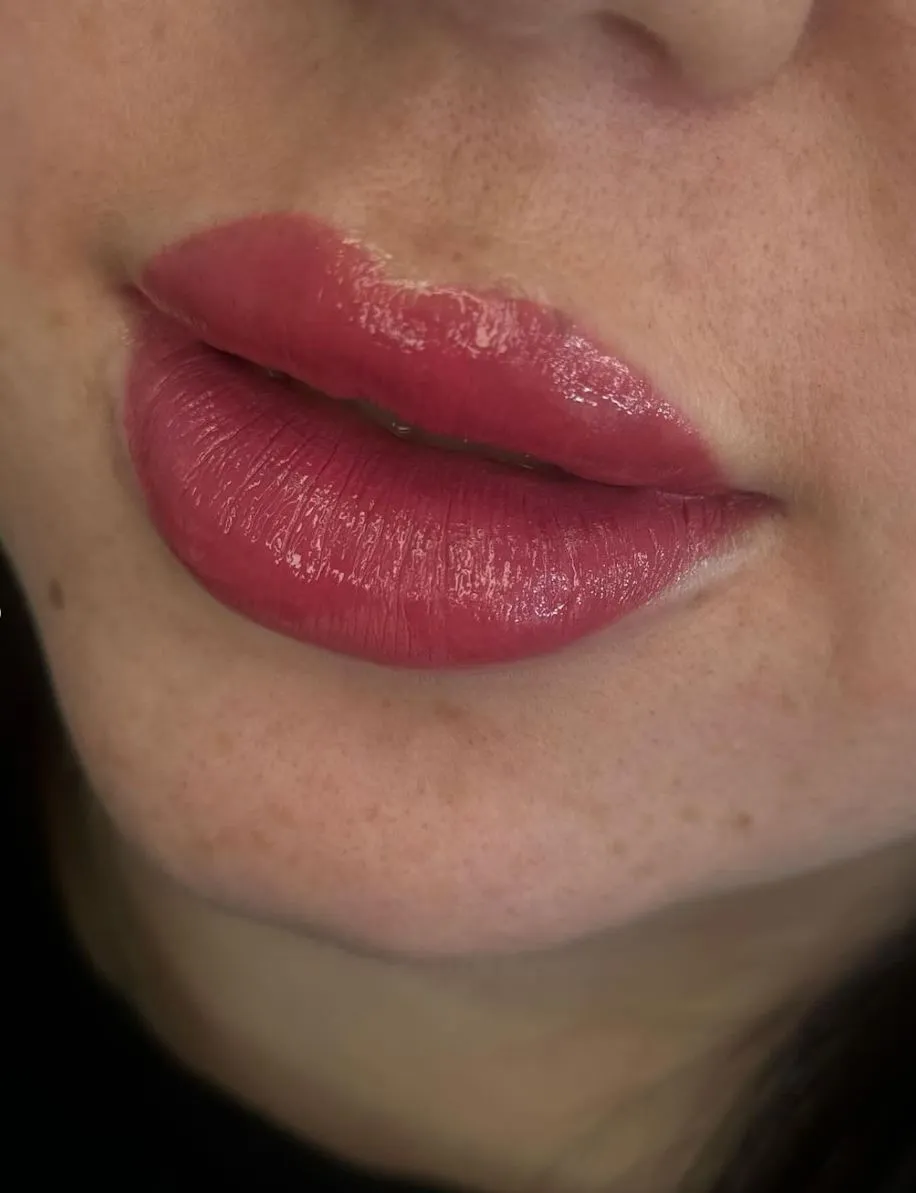
Lip blush tattooing is a cosmetic treatment that deposits semi permanent pigment into the lips to enhance their natural look. Unlike traditional body art tattoos, lip blush results in a soft, shaded tint that enhances the natural shape and colour of the lips. It’s designed to give a long lasting, natural lip colour that can last from 2-5 years depending on individual factors such as skin type, lifestyle and aftercare.
Cosmetic lip tattoo treatment is relatively quick but requires the hands of a skilled cosmetic tattoo artist to get the right pigment colour and application. This treatment is perfect for those who want to simplify their daily routine and not have to wear lipstick daily. However, despite the many benefits of lip blush, not everyone is suitable for this treatment as several medical, skin related and lifestyle factors need to be considered before you undergo the treatment.
Who is not suitable for Lip Blush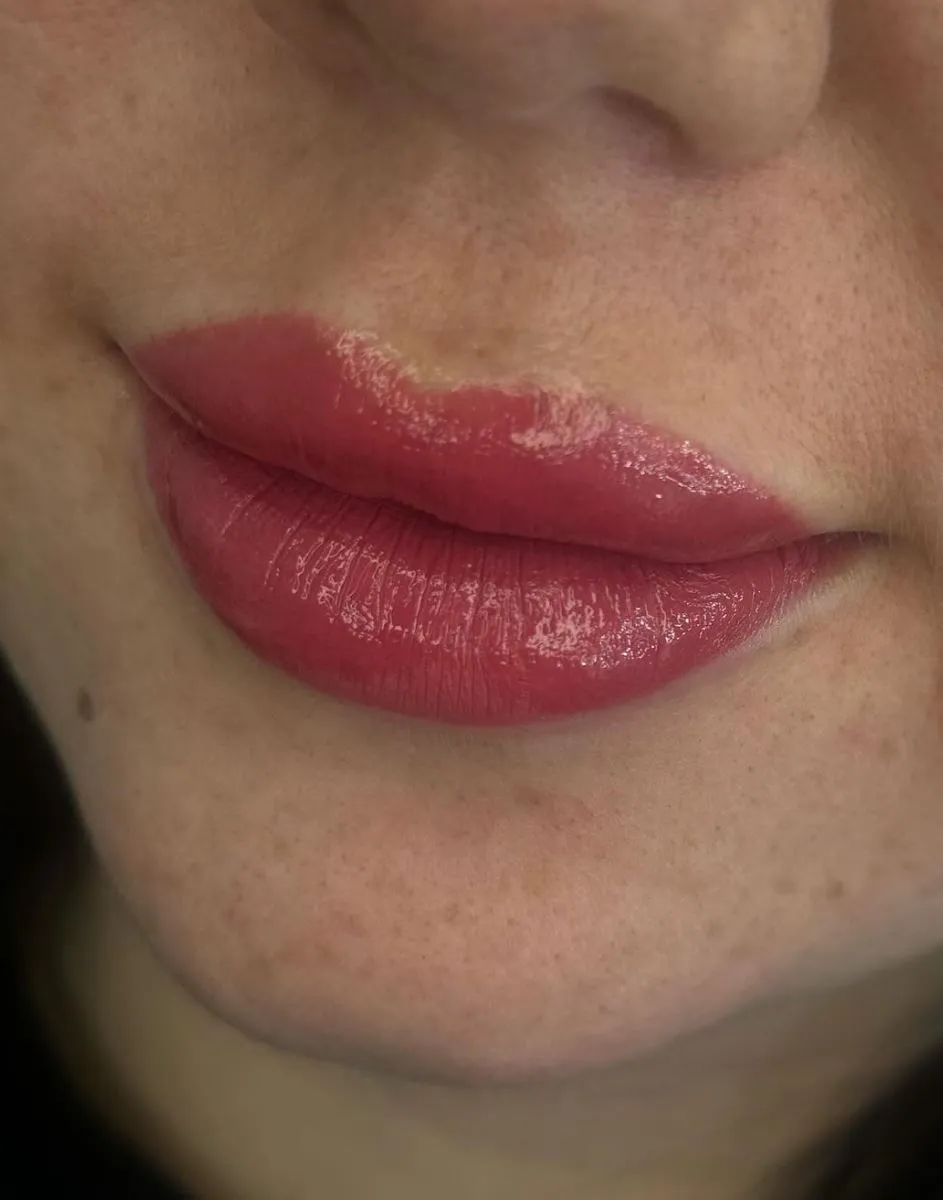
While lip blush tattoos have many aesthetic benefits, certain health conditions, medications or lifestyle factors can make you unsuitable for the treatment. Here are some of the reasons why you may not be eligible for lip blush tattooing.
Skin Conditions and Sensitivities
Individuals with certain skin conditions or sensitivities around the lips may experience reactions or difficulty healing after the treatment. Some conditions to be aware of are:
- Eczema, Psoriasis and Dermatitis: If you have these conditions around the lip area you may experience increased irritation, redness or even infections during the healing process. These conditions may also prevent the pigment from settling properly and can result in uneven results or pigment loss.
- Chronic Dry Skin: If you have extremely dry skin on or around the lips you may find it hard to heal after a lip blush tattoo. Dryness can cause the skin to crack or peel and make it hard for the pigment to stay intact. This can result in poor results and the need for additional touch ups.
- Active Peels or Glycolic Acids Use: If you are using active skin treatments like glycolic acids or chemical peels you can increase skin sensitivity and interfere with the pigment retention. These treatments need to be stopped before your appointment to avoid irritation or damage to the lips.
Autoimmune and Blood Disorders
If you have an autoimmune disease you may not be a good candidate for lip blush as the body will reject foreign materials including tattoo pigments. Lupus or rheumatoid arthritis can cause delayed healing, poor pigment retention or an over reaction to the procedure itself.
People with Blood Disorders such as hemophilia should also not get the procedure. These conditions increase the risk of excessive bleeding which can not only dilute the pigment but also prolong the healing process.
Blood Thinning Medications
If you are taking blood thinning medications such as aspirin, warfarin or supplements like fish oil your risk of excessive bleeding during the lip blush tattoo procedure increases. Excessive bleeding can dilute the pigment making it harder for the color to stick to the skin which can result to faded or uneven results.
Also medications for high blood pressure or Diabetes Type can affect how the body heals. These individuals should consult a doctor before getting a lip blush tattoo to assess the risks.
History of Cold Sores (Herpes Simplex Virus)
One of the biggest concerns with Lip Blush Tattoos is the possibility of triggering an outbreak of Herpes Simplex Virus also known as cold sores. The trauma caused by the tattoo needle can trigger cold sores to flare up especially if you’ve had them before. Taking antiviral medication before and after the procedure can reduce this risk but those with history of frequent outbreaks may not be ideal candidates as it can cause complications during the healing process.
Pregnant and Breastfeeding
If you are pregnant or breastfeeding it’s best to avoid cosmetic tattooing procedures including lip blush. During pregnancy hormonal changes can affect how your skin heals and retains pigment which can result to unpredictable results. Also there is a risk of infection which can be harmful during pregnancy or while breastfeeding.
Allergies to Pigments and Anesthetics
If you have an allergy to colours or tattoo pigments you may experience severe allergic reaction during the Lip Blush Tattoo process. A patch test can be done to check for any allergic reaction but it’s best to avoid the procedure if you have history of adverse reaction to tattoo ink or similar materials.
Also an allergy to numbing agents or anesthetics used during the lip blush tattooing process can cause discomfort, swelling or other complications. If you had allergic reaction to anesthetics during previous cosmetic procedures lip blush might not be for you.
Other Situations Where Lip Blush Might Not Be Suitable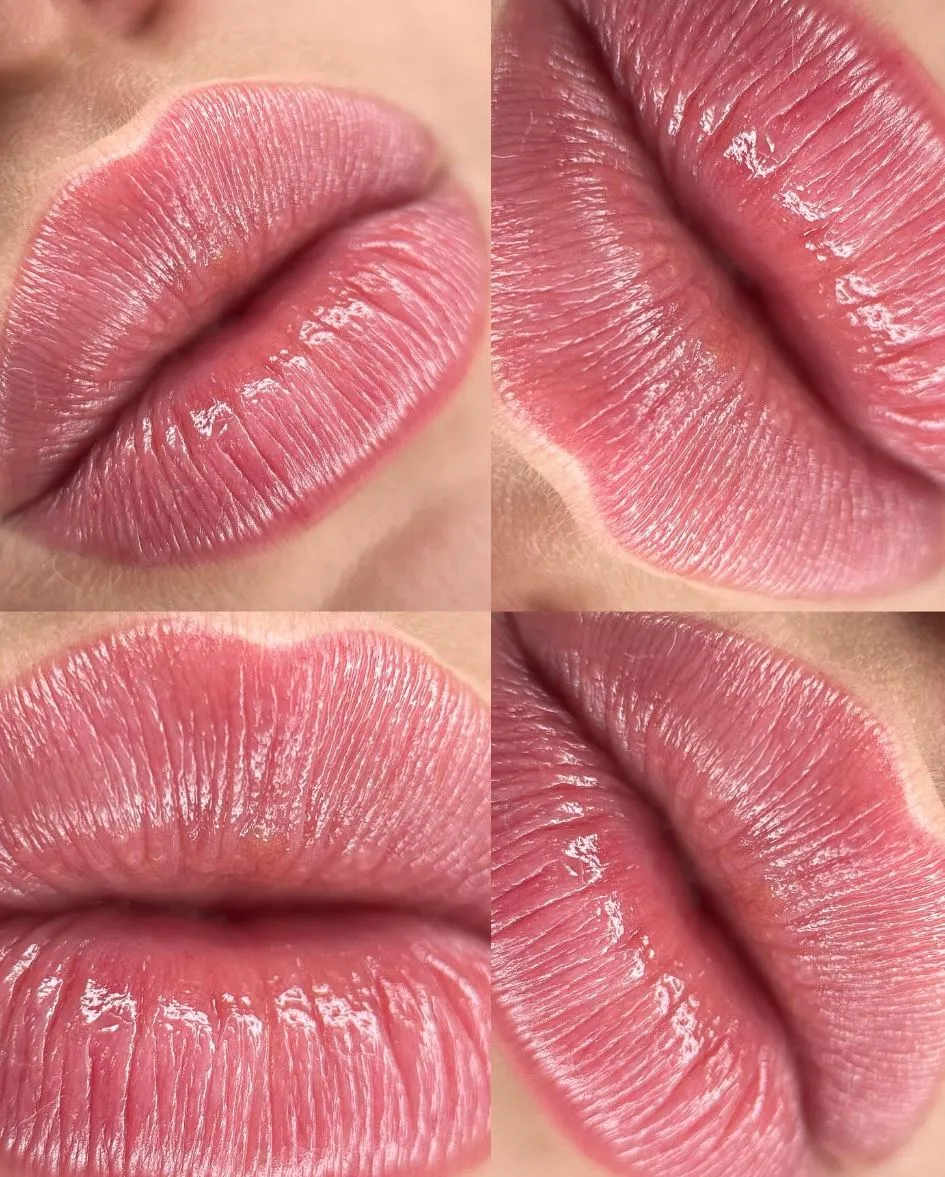
Recent Cosmetic Treatments
If you’ve had recent cosmetic treatments such as lip fillers, laser treatments or chemical peels you should wait until your skin has fully recovered before getting a lip blush tattoo. Fresh cosmetic work can affect the outcome of the tattoo and can cause patchy or uneven colour retention. For example lip fillers can change the shape and firmness of the lips making it harder to get accurate and long lasting results with lip blush.
Unrealistic Expectations
Lip blush tattoos are a subtle enhancement designed to give a natural looking tint of color to the lips not bold dramatic results. Clients who want more dramatic changes such as a bold lip color may find lip blush doesn’t meet their expectations. You should discuss your desired results with a permanent makeup artist to make sure you have a realistic understanding of what the procedure can achieve.
Certain Medical Conditions
People undergoing cancer treatment, those with Blood Disorders or individuals with compromised immune systems should not get lip blush. These conditions can impede the body’s ability to heal and increase the risk of infection. Clients with Diabetes Type should consider slow healing and higher risk of complications before getting this procedure.
Aftercare
Aftercare is crucial for anyone getting lip blush tattooing as it ensures proper healing and long lasting results. Following the aftercare instructions given by your permanent makeup artist will minimize the risk of infection, improve pigment retention and support a smooth recovery. During the aftercare process you should avoid:
- Spicy food and citrusy food during the healing process as they can irritate the treated area.
- Excessive sweating from exercise or saunas should be minimized as it can cause pigment loss.
- Using a healing balm or aftercare balm will keep the lips moisturized and prevent peeling or cracking.
Aftercare is key. Proper care will ensure the longevity of the lip blush and keep the color on the lips for years. Results last 1-3 years depending on your skin type and lifestyle.
Conclusion
Lip blush is a great way to boost your natural lip color and simplify your makeup but it’s not for everyone. People with certain health conditions, allergies or lifestyle habits may not be suitable for lip blush. Talk to both a doctor and a permanent makeup artist to make an informed decision if it’s right for you. Remember, understanding the healing process and following aftercare is key to getting the best results and longevity of your lip blush tattoo.
FAQs
Can I get lip blush if I had cold sores before?
Yes but you will need to take antiviral medication before and after the procedure to reduce the risk of a cold sore outbreak during the healing process.
Can I get lip blush if I have lip fillers?
Wait at least 4-6 weeks after getting lip fillers so the lips can settle. This way the lip blush pigment will heal properly and give you consistent color.
How long does lip blush last?
Lip blush tattoos last 1-3 years but up to 2-5 years with proper aftercare. Skin type, lifestyle and aftercare process will affect the results.
Is lip blush good for sensitive skin?
Sensitive skin increases the risk of irritation or delayed healing. If you have skin sensitivities talk to both a dermatologist and a permanent makeup artist before getting the procedure.
Aftercare?
Avoid spicy food, excessive sweating and use a healing balm to keep the lips moisturized. Aftercare is key to get the best results and minimize complications.
